
When you live in India and visit someone’s home, after the greetings, there’s almost always one question: “Will you have tea or water?” This culture is deeply rooted in Indian homes, and now the love for tea is spreading across the world. Tea is one of the few beverages loved by Gen Z, millennials and older generations alike, especially as a part of the morning routine.
There is a quiet revolution happening in kitchens and cafes across the world. Coffee, once the unshakeable king of energy and activeness, is now losing ground not to energy drinks or protein shakes but to something far older and far simpler: herbal and speciality teas. Gen Z and millennials are no longer drinking tea only for refreshment, but they are choosing herbal and speciality teas for stress relief, gut health, immunity, clean energy, mindfulness and even social media appeal.
It is no mere nostalgia or aesthetic fad but a full-fledged generational revolution supported by hard facts by a generation that can read labels and ingredients and follow wellness experts on social media without wishing to crash on caffeine for the rest of their lives.
So what is driving it? And why Now?
The numbers don’t lie, so let’s start with the market, because the scale of this shift is striking. As per the report from Skyquest, the global herbal tea market was valued at USD 3.69 billion in 2024 and projected to grow at a CAGR of 5.8% by 2032. Functional teas target specific wellness outcomes like sleep, digestion, immunity and stress relief. Talking about the US, the herbal and wellness teas responded fast and even in Europe.
Gen Z having own way of drinking tea, not like previous generations
There is something shocking that might surprise you: Gen Z drinks upto 20% less alcohol per capita than Millennials. According to a survey from Gallup, it found alcohol consumption among adults under 35 dropped from 75% in 2003 to 2023. Tea bars and wellness lounges are opening in cities, positioning themselves as the new generation of social spaces. Gen Z is reaching for something that makes them feel good the next morning.
Wellness revolution is drinking tea consumption
Young consumers are becoming more health conscious than previous generations. Instead of soft drinks and power drinks, many now prefer herbal teas because they offer health benefits. This is one of the strongest trends driving the speciality tea market in 2026.
Functional benefits matter more than ever
As per market research, wellness herbal blends are among the fastest growing tea categories globally and younger tea consumers look for:
- Digestion
- Immunity
- Sleep
- Stress relief
- Mental clarity
- Skin health
- Gut health
- Relaxation
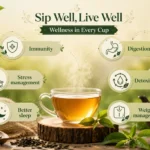
Young buyers no longer see tea as just a flavour; they see it as wellness in a cup. Here are popular ingredients now:
| Trending Tea Ingredient | Associated Benefits |
| Ashwagandha | Stress Management |
| Chamomile | Sleep and Relaxation |
| Peppermint | Digestion |
| Ginger | Immunity |
| Matcha | Calm Energy |
| Wellness Support | |
| Hibiscus | Antioxidants |
| Lavender | Relaxation |
The coffee problem they are running away from
For a better understanding of why young people are choosing herbal tea, you also have to understand what they are running from.
The immediate high followed by the rapid descent, the shakes, the addiction, the insomnia and the afternoon panic attacks. In a generation which has shown increased incidences of stress and anxiety compared to any other generation before it, such a trade-off becomes increasingly difficult to stomach.
Consumers now want beverages that provide function. Teas made from herbs like ashwagandha, ginseng and rhodiola provide for a better, more gradual elevation of mood and energy levels with no subsequent descent.
The Ritual Matters as Much as the Result
But there’s another aspect to this phenomenon that the numbers do not reveal: the process of preparing and consuming herbal teas has evolved into a form of self-care.
Tea brewing is an activity that takes time and calls for presence of mind. You can’t just buy a cup of tea while you’re passing through a drive-through. This is what appeals to people born in an age where they want things now but at the same time crave for slowing down.
Tea became social media friendly
Tea is now highly visual because social media like Instagram, TikTok, Pinterest and YouTube have changed how people discover beverages. Here are popular visuals: tea trends include:
- Vibrant green matcha
- Butterfly pea flower tea
- Floral tea infusions
- Iced fruit teas
- Sparkeling teas
- Layered milk teas
- Tea mocktails
What Comes Next?
The path is set. Speciality teas are not something to be taken by only the most health-conscious individuals or seniors. They will become the natural choice in beverages for a whole generation of people who have knowledge, intent, and a higher level of standards than those from past generations.
Herbal and exotic products like rooibos, moringa, and turmeric are expected to grow at a rate of 7.2% CAGR through 202 as the desire for functional, international blend beverages increases. Ready-to-drink herbal teas will see similar growth, especially in cold brew varieties targeted to the more modern urban consumer.
Tea is almost an afterthought. What matters is that a new generation sees fit to make themselves feel healthier and understands that tea is one place to do that.
The cup has changed. And if the numbers are anything to go by, it’s not changing back.
Conclusion
Young consumers are adopting herbal and specialty teas because the new tea culture resonates with their modern-day priorities, including health, mindfulness, sustainability, aesthetics and individuality.
Today, tea drinking is not just about a simple drink anymore. It has evolved into an upscale lifestyle that encompasses health, creativity, personal care and individuality.
Whether it’s through matcha traditions, health-focused herbal blends, trendy tea cafes, or social media, young people are revolutionizing the international tea industry like never before.
With growing wellness culture around the world, it’s highly likely that herbal and specialty teas will be among the dominant beverages of the coming decade.
FAQs
Why are millennials and Generation Z consuming less coffee?
Caffeine crashes, anxiety, and sleep issues are the key reasons why many young consumers are drinking less coffee. Many people consider herbal or specialty teas as an alternative to be less intense.
How is social media shaping tea culture?
Social media such as Instagram or TikTok are contributing to tea culture’s aesthetic side by showcasing colorful teas, trendy tea cafés and aesthetic tea experiences.
What does the sober curious phenomenon mean in tea culture?
The “sober curious” movement includes consumers that drink less alcohol and try healthier drinks, including sparkling tea, herbal tea and other types of tea mocktails.
Why do people consume at tea cafés?
Modern tea cafés are providing a space for socializing, relaxation, wellness activities and aesthetic experiences, which make them more popular especially among young urban customers.
Is the herbal tea market growing in India?
The herbal tea market is booming in India as consumers in the country are becoming increasingly aware of health benefits and looking for premium wellness drinks.
Why is tea related to wellness nowadays?
Tea culture is now connected with mindfulness, relaxation, self-care and wellness. People consume tea in order to improve their well-being or support their wellness lifestyle.