

Tea is not just a beverage; in urban cities it has evolved into a lifestyle choice, wellness ritual and premium experience. Indian consumers are increasingly moving beyond traditional tea toward high quality premium tea products.
As of 2026, the Indian tea market has undergone a radical transformation and if you see the tea market value in 2025 is around INR 78k Cr with a market CAGR of 4.5% and almost 254M Kg of tea is exported in 2024 and annual organic growth is about 10-12%.
The numbers above reveal that today’s consumer does not seek only the jolt of caffeine; he/she desires to get involved in an experience, a wellness ritual and a lifestyle statement. In case of brands such as Alexa Tea, this trend reflects an age of quality, origin, and innovation.
Such a trend can be observed predominantly among Gen Z and Millennials residing in metro cities. Higher income levels, increased awareness about health, the existence of cafe culture, the influence of social media and a wellness-based lifestyle have contributed to the development of premium tea culture in urban India.
Tea Culture in India
India is the only country that is the world’s largest tea-consuming nation and consumers are rapidly evolving. Traditional tea, milk tea and loose tea still dominate household consumption but urban consumers are increasingly exploring. One of the biggest growth drivers is the rising demand for premium and speciality tea among urban consumers.
| Green Tea | Herbal Tea | Matcha |
| Flower Teas | Detox Tea | Organic Tea |
| Single Origin Tea | Premium Loose Leaf Tea | Wellness Infused Blends |
Reasons behind the rise of tea culture
Health and Wellness Awareness
After the post-pandemic consumer is aware of their own health and chooses herbal infusions, green teas and Ayurvedic blends that support:
- Immunity
- Digestion
- Stress management
- Detoxification
- Better sleep
- Weight management

The brands are now using herbs such as tulsi, moringa, ashwagandha, ginger and turmeric to add value to their products by combining traditional Indian philosophy with current health trends. The organic tea industry is experiencing significant growth of 10 to 12% per year due to consumers’ conscious desire for natural ingredients.
Rising Incomes and Premiumization
As their disposable income increases, consumers are ready to shell out extra money for superior experience and hence, this development is driving change in the FMCG industry, specifically tea, since the modern-day consumer would spend anywhere between INR 500 and INR 5,000 to buy the perfect cup. The current consumer preference is for:
- Better ingredients
- Different types of flavors
- Premium packaging
- Authentic sourcing
- Artisanal products
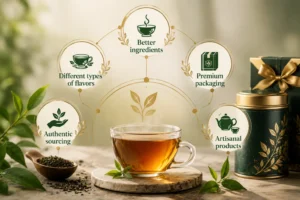
This change is visible in Boutique tea rooms, curated online stores and luxury hotels where tea is served as fine wines from Business Today.
Influence of social media & café culture
The trend of matcha tea in India is a clear indication of how international tea trends impact the Indian urban consumer. Modern day consumer trends on social media platforms like Instagram and YouTube and influencers have been instrumental in bringing about a change in the tea drinking habits. The modern consumer is lured by:
- Attractive Package teas
- Tea rituals
- Match lattes
- Artisanal brewing
- Tea cafes
- Wellness beverages
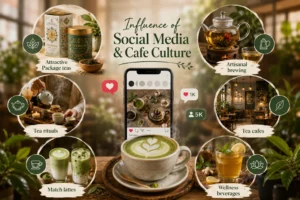
As per The Times of India, the rise of matcha in India is a strong example of how global tea trends are influencing Indian urban consumers. Matcha beverages have gained massive popularity in cafes and wellness communities.
Rise of Speciality and Luxury transition
In the premiumization movement witnessed within the tea industry, one prominent aspect is that of the gifting market. In the year 2026, premium tea tins would replace the old tradition of box sweets to be gifted during office functions and marriages. Consumers who buy premium teas look for:
- Darjeeling tea
- Assam Orthodox tea
- Nilgiri tea
- Handpicked tea leaves
- Estate-grown tea
- Organic cultivation
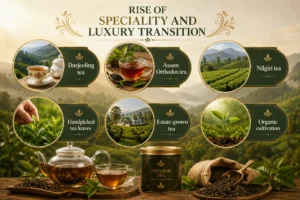
Even industry shows that premium and speciality tea adoption is accelerating due to increasing demand for high quality tea experience as per IMARC Group.
Millennials, Gen Z and the Experience Economy
These two generations, millennials and Gen Z, are not different; they are just experiencing it differently. Like influenced by international travel, social media and global café culture, these consumers value transparency and sustainability. The matcha phenomenon captures this perfectly. India’s matcha market, valued at USD 104 million in 2024 and projected to grow at a CAGR of 8.6% by 2030.
Tea Trending in India
Green Tea
Popular among health conscious consumers for antioxidants and wellness benefits.
Matcha Tea
Rapidly gaining popularity among urban millennials and fitness focused consumers.
Herbal Tea
Tulsi, chamomile, hibiscus and lavender blends are increasingly preferred for relaxation and immunity.
Detox Tea
Consumers are increasingly exploring detox and metabolism supporting tea blends.
Organic Tea
Urban buyers are becoming more conscious about chemical free and sustainable products.
Luxury Loose-Leaf Tea
Consumers are moving from dust tea bags to whole-leaf premium tea experiences.
What innovations and technology in 2026?
The new generation loves smart living and the rise of premium tea has been bolstered by:
- High tech teapots that adjust temperature and steeping time via smartphone apps to ensure a perfect cup every time.
- AI driven personalisation algorithms that analyse your health data to suggest the perfect tea blend for your current stress or energy levels.
How to make your own premium tea ritual?
Looking to join the urban tea movement, you should follow these steps to elevate your daily routine:
- Move to loose leaf tea so it allows the leaves to expand fully, releasing the complex flavours that tea is known for.
- Temperature also matters because never use boiling water for green or white tea; it burns the leaves. Aim for 80 degrees Celsius for black or masala tea.
- Take one minute to watch leaves unfurl, in the chaos of urban life, this tea meditation is as important as the drink itself.
What This Means for India’s Tea Future
Statistics speak volumes. The Indian tea industry was valued at around INR 78,000 crore in 2025 and it is expected to rise above INR 1,25,000 crore by 2034. Growth in the premium category has been fueled by rising expectations, urban consumption, and interest from the international market for Indian-origin teas.
If the trends continue in the same direction, there would not be much difficulty in getting Indian tea culture to reach a stature similar to that of French wine or Western coffee. A beverage with an exquisite tradition and geography. The uniqueness of the tea culture of India can be found in the long history of over 200 years and a generation ready to resurrect it.
At last: Future is Green
The emergence of the luxury tea culture in metropolitan India is not just a fad, but it marks a paradigm shift in the way that we think about health and luxury. As we move deeper into 2026, there will be even greater demands for unique, premium, and sustainable blends.
Why Alexa Tea belongs in the story
Each cup is a journey, whether it is the enticement of the muscatel flavor from Darjeeling first flush, the strong invigorating flavors of Assam tea that one gets in the mornings, or the gentle calming effect of the tulsi-ginger wellness tea – premium tea has gone past its status of being a luxury beverage for select few to become a part of everyday life.
FAQs
Why Gen Z and millennials are selecting premium tea?
These both generation value wellness, sustainability and always follow global trends and tea is consumed by Gen Z and millennials.
Is the demand for organic tea increasing in India?
Yes, the demand for the organic tea market in India is growing as consumers are becoming more conscious about chemical free, natural and sustainable products.
How does social media influence tea culture in India?
There are social media platforms such as Instagram and YouTube that are popularising tea rituals, matcha lattes and wellness beverages, especially among urban consumers.
What makes premium tea different from regular tea?
Premium tea uses high quality leaves, authentic sourcing, unique blends and organic ingredients, offering a superior tea experience.