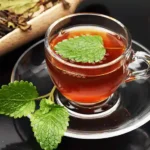

Tea and Wellness: How Drinking Tea Can Help You Relax and De-stress – People have used herbal teas for thousands of years to enhance and enjoy their health. Do you want to know how drinking tea can help you relax and reduce stress? Herbal teas can help you feel less stressed and anxious, as well as help you sleep better. Different stress levels and tastes also have different effects on each person.

It may take a few tries to find the right tea for you, or you can maintain variety in your cabinet to suit different demands and tastes. According to research, certain herbs can have a significant effect on our stress levels and consequently on our physical and mental health. You can choose the herbal tea that is ideal for your current needs.
Best Teas for Relaxation and De-Stress in India | Alexa Tea
Alexa Tea is one of the top Tea manufacturers and suppliers in India, we provide the best quality tea. The most commonly used variant of our tea range is Green Tea. It has a lot of antioxidants as it is a herbal tea, which has many positive health effects. Alexa tea is considered the best drink for stress and sadness. Epicatechin, a flavonoid that protects the brain from oxidative damage, is abundant in tea.
Alexa Tea protects the brain from age-related memory loss and lowers stress levels. L-theanine is an amino acid that prevents anxiety attacks when present in high amounts. We offer the top teas for relaxation and de-stress in India. Drinking two cups of Alexa tea every day can reduce stress, increase energy, improve sleep quality, and aid in weight loss.
How does tea work for relaxing and de-stressing?
The distinctive taste and incredible benefits of tea are due to the components found in it. Here are some of the ways tea can help you relax and de-stress:
L-theanine – an amino acid that makes up to 3% of the dry weight of brewed green tea. It is an important component of tea and aids in the regulation of mood.
Epigallocatechin gallate – an antioxidant that makes the brain feel calmer and more focused, makes up 42% of the dry weight of brewed green tea.
Caffeine – Green tea contains up to 5% of its dry-weight caffeine, a natural stimulant believed to elevate mood, increase alertness and enhance cognitive performance. Caffeine-free tea can help reduce anxiety as tea with high caffeine content can increase it.
The components present in tea have a direct effect on the hypothalamus pituitary adrenal axis, which regulates the body’s stress response system. As a result, the body’s stress hormone, cortisol, is reduced. In addition, L-theanine stimulates the action of the neurotransmitter GABA, which reduces anxiety and stress levels.
How does herbal tea help reduce stress?
Be sure to consult your doctor before including Alexa Tea in your daily routine. Some teas can affect medicines or medical problems. For example, chamomile has a mild blood-thinning effect and may interact with the drug warfarin if taken in excess. Herbal teas contain a variety of organic anti-inflammatory substances that may be beneficial to human health, including:
- Antioxidants, which help protect the body from stress
- Antiviral and Antibacterial Compounds
- Herbs That May Reduce Inflammation
- Herbs that may reduce the risk of blood clots and high blood pressure
A cup of herbal tea daily can help you maintain good health and reduce your stress levels. For example, consuming lemon balm in tea blends may be useful for reducing stress, anxiety, and depression, although additional research is needed.
Other Benefits of Alexa Tea
People all over the world testify to the great taste and calming properties of tea. The most popular way to consume tea is to relax in a group with friends or family; This practice is known as ritualistic relaxation. Hope you know how tea works for anxiety and which are the best teas to reduce stress. Drinking tea on a regular basis not only lowers stress and anxiety levels but also treats a variety of underlying medical problems. which are:
- Reduces symptoms of insomnia
- Soothes an upset stomach
- Improve menstrual cramps
- Helps relieve nausea
- Get rid of digestive problems
- Reduce morning sickness symptoms
- Improves sleep
- Improve blood pressure level
Building a Calming Tea Ritual
The relaxing power of tea is even greater when you create a special routine around your tea time, rather than rushedly chugging down a cuppa. Here are a few quick tips to encourage a more restorative tea drinking experience:
- Set a side a period: 10 to 15 minutes, be off your phone or laptop-give this as much value as possible.
- Connect with your senses-Watch the smell of the tea as it steeporswarm your hands with the Cupcolorfeel the warmth of the liquid in your hands! The more you connect with your senses, the more you are grounded.
- Try slow sipping: Don’t drink your tea quickly but take little sips and pause in between each sip. This will automatically slow down your heart rate and breathing.
- Combine with breathing exercises: Inhale when lifting the cup then exhale on the sip. This combines a calming beverage with various accepted breathwork practices.
- Maintain regularity: Have tea at the same day consistently, morning, mid-morning or before going to bed for example, for your body to expect your tea time.
Practicing tea in this way makes it much more active and much more like the ways so many people use meditation or stretching in their everyday lives.
Tea as Part of a Holistic Wellness Routine
Tea may not be the treatment for stress and anxiety on its own, but it complements a healthy lifestyle perfectly. Try pairing your tea with other stress and anxiety busting habits and gentle stretching, journaling, or a stroll outdoors in the fresh air. Many people find that sipping a cup of herbal (chamomile or lavender are popular choices) tea in the evening is the perfect way to wind down before bed.
It’s also important to keep in mind the regular consumption of highly caffeinated or sugary drinks replaced with tea could have a cumulative effect on your stress levels, too. For instance, replacing that afternoon energy drink with a cuppa in the afternoon could smooth out your energy levels over the course of the day, making you less irritable or anxious.
Choosing the Right Tea for Your Needs
Different teas relax in different ways, so it’s helpful to choose a tea based on how you want to relax:
To help you unwind and sleep well in the evening: blend of chamomile, lavender and valerian root.
For calm focus during the day: Green tea (or matcha), which also contains L-theanine.
Peppermint or ginger tea for digestion tension: Peppermint or ginger tea.
For general mood support: Lemon balm or passionflower blends.
Trying different varieties can be a little art in itself in the relaxing process. Nothing like introducing novel flavors and blends to make teatime an adventure, not another task.
Final Thoughts
In a Culture of Constant Activity, A Moment to Pause With Tea is a Harmless Buffer tea’s Great! Whether it’s the calming amino acids in green tea or the natural anti-inflammatories in chamomile and lavender blends, tea is a delicious, affordable, and easy-to-access way to lessen stress and support health. The trick is not so much what you’re drinking, but rather how you are drinking it – slowly, thoughtfully, and intentionally.
At Alexa Tea, we want to guide you towards the teas that enhance your path towards wellness. Whether it’s to bring you calm out of daytime blues, or a stimulating yet relaxing drink for an evening dose of calm, we’d like to welcome you to our tea box, a rare collection of teas that relax, de-stress and bring you closer to yourself.
Contact Details
Name: Alexa Tea
Address: SCO – 75, 1st Floor, Sector – 12, Panchkula 134115
Phone Number: 1-800-1802-167
Frequently Asked Questions
How many cups of tea is considered a reasonable daily intake?
Whether or not there is caffeine in the blend can affect how much tea is consumed each day. Generally speaking, 3 cups of caffeinated tea should be the maximum of your daily intake.
Does green tea help reduce anxiety?
Due to the presence of L-theanine, which can increase feelings of calm and relaxation, green tea may help reduce anxiety. Green tea is recommended to be consumed in moderation as it contains caffeine.
Which tea is best for reducing stress and anxiety?
Popular teas that can help relax and de-stress include, but are not limited to: Chamomile, Lavender, Lemon Balm Herbal teas can be great to drink in the evening or all day to calm and de-stress.
Are you wondering if green tea is soothing despite its caffeine content?
Yes. Green tea provides L-theanine, an amino acid that creates a state of calm concentration. The amino acid balances the strain on your system that caffeine causes, making green tea a great choice for focused, relaxed energy.
How long does it take the tea to unwind you?
The stress-reducing qualities of your brewed tea can kick in as soon as 20 to 30 minutes after you consume it, and once the L-theanine starts hitting your system. Moreover, the presence of tea also has an immediate calming effect because of the act of preparing a cup slowly.
Can drinking tea before bed improve sleep quality?
Tea Options Without Caffeine 1. Opt for a herbal tea Choices like chamomile, valerian root, and lavender will work to normalize sleep by relaxing your nervous system, reducing anxious thoughts and promoting a calming ritual before bedtime.
Which is better, tea or coffee to relieve stress?
Tea tends to be more stress-relieving than coffee thanks to its L-theanine. This amino acid calms the nervousness usually caused by the jittery effects of caffeine. Coffee has no such compound, potentially causing more sleep interruptions and anxiety.
How many cups of tea daily is helpful for health?
Most wellness professionals recommend a couple of cups a day in moderation, two or four cups of tea during the day. For ongoing relaxation, balance caffeinated teas with caffeine-free herbal teas.