
Tea isn’t just a drink – it’s a whole experience that differs vastly based on which foods you consume it with. Similarly to the way wine is served with certain dishes, there are distinct methods to how tea can be best enjoyed with others, taking into account the nuances of flavor, fragrance, and nuance of the brew. With everything from a light white brew to a full-bodied, malty one, there’s the perfect food combo to remind you that when it comes to savoring your favorite brew, anything goes! Here, we’ll look at the ten most popular types of tea and the best drinks to enhance them.
Why Tea Pairing Matters?
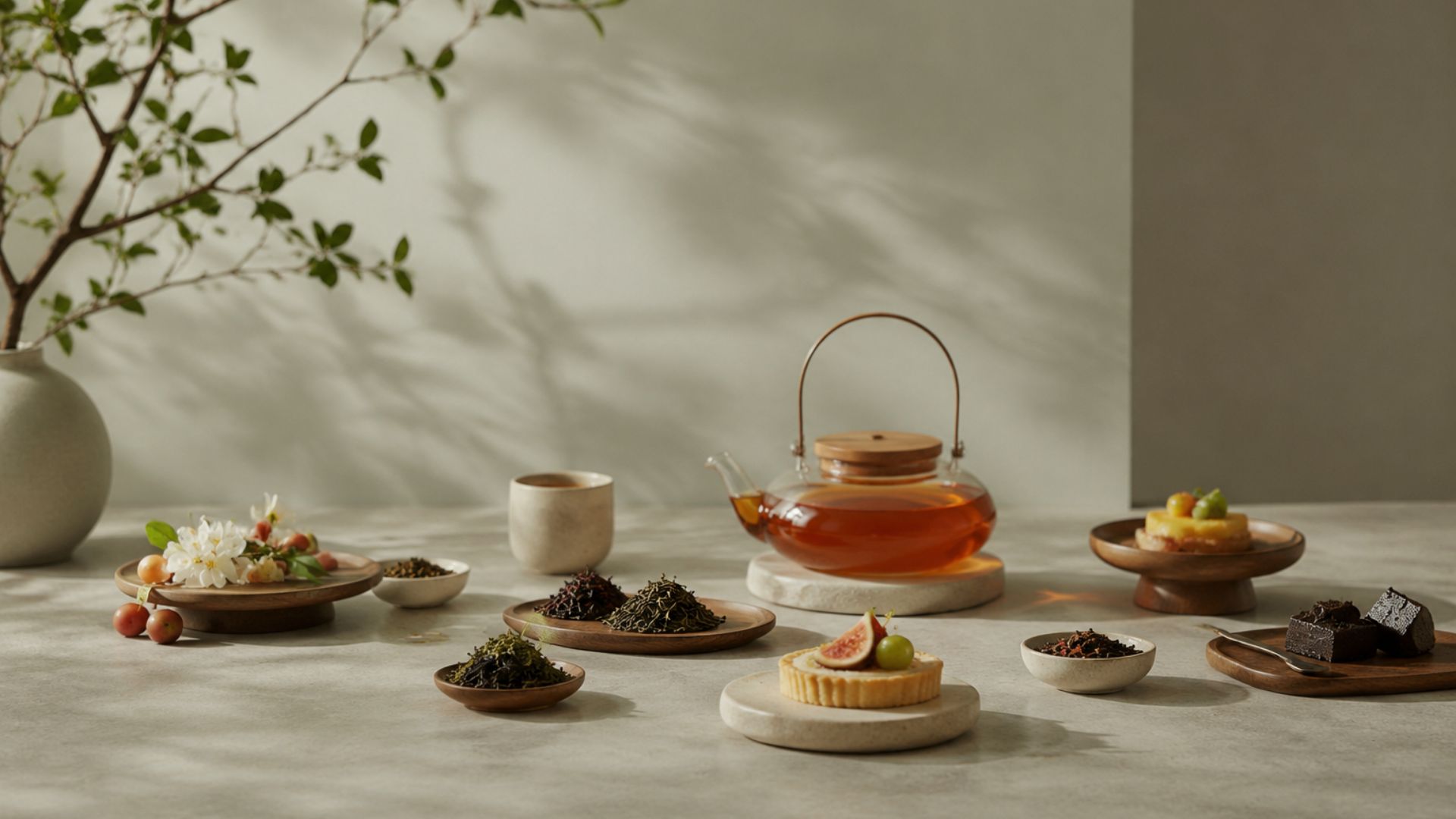
Tea is one of those foodstuffs that is full of natural antioxidants such as tannin, caffeine and aromatic oils that come into contact with the fats, sugars and protein of your food. Practically what you want when at your strongest ideal for pairing is a food with similar richness that can balance this.. A creamy filled pastry could cut the astringency of a powerful roasted black, or a light fruity accompaniment would enhance the fragility of a green tea. It’s not really a dogmatic subject, you just need to understand how these flavors complement and counter each other so you can experiment.
Green Tea: Light, Grassy, and Fresh
Green tea has a fresh, vegetal aroma and flavor with hints of astringency, so avoid pairing it with strong flavors that will overrun it. Very rich, creamy or sweet dishes tend to overshadow the delicateness of green tea.
Best pairings:
- Steamed dumplings or dim sum
- Sushi and sashimi
- Light salads with citrus dressing
- Fresh fruit such as pear, melon, or grapes
Never match green tea with fat or spice. This may overpower its delicately grassy aroma.
White Tea: Delicate and Subtly Sweet
White tea is the lightest of light teas, the least processed and most delicate, therefore needs equally gentle food pairings with soft floral and honey tones.
Best pairings:
- Plain berries or Fruit tartlet
- Light and creamy cheeses, such as brie or goat cheese
- Delicate pastries such as madeleines
- Light cucumber or watercress sandwiches
White tea particularly excels at afternoon tea; its sweet, subtle qualities are a perfect accompaniment to light snacks and don’t overlap with other flavors.
Oolong Tea: Complex and Versatile
Oolong is semi-oxidized, falling in-between green and black. This gives it such a diverse range of flavor – from the delicate and flowery to the deep and toasted – that it is one of the most agreeable teas to drink with food.
Best pairings:
- Roasted or grilled meats
- Stir-fried vegetables
- Nutty pastries like almond cookies
- Cream-style desserts-like custard or flan
Seafood is complemented very well by the light oolongs and the darker, roasted oolong will go well with heavier, savory foods.
Black Tea: Bold, Malty, and Robust
Due to the bold, malty flavor of black teas that tend to have more tannins, black teas are more versatile with heavy foods. Rich and fatty foods balance with the black teas’ strength and they also balance with sweet foods due to the natural astringency.
Best pairings:
- Scones served with clotted cream and jam
- Energy-giving breakfast items such as bacon and eggs
- Chocolate cake or dark chocolate
- Aged cheeses like cheddar
Because of this, black tea has always been the traditional tea for taking in the afternoon in England, as it copes wonderfully well when served alongside strongly-flavored cakes and thick spreads.
Also Read: Top Benefits of Black Tea for the Mind
Herbal Tea: Caffeine-Free and Flavorful
Herbal teas, also known as tisanes, cover an enormous variety of tastes – from mild chamomile and mint to more acidic hibiscus and lemon to hot, spicy ginger. Since there are no “real” teas, a LOT depends on the specific type or mixture.
Best pairings:
- A slice of honey cake or vanilla shortbread. Dusting of Northumbrian honey beer comb honey and wax
- Peppermint with chocolate desserts
- Hibiscus is good with spicy, flavorful dishes or cheese plates
- Ginger tea served with vegetables that are roasted or a steaming bowl of noodles
Herbal teas tend to be very forgiving, so they’ll be a good place to start if you’re not familiar with tea. Pairing teas.
Pu-erh Tea: Earthy and Deeply Fermented
Pu-erh- is a fermented tea characterized by a deep, earthy, and sometimes woody flavor. It’s commonly enjoyed with fatty foods for digestive benefits.
Best pairings:
- Dim sum meaning mainly fried or rich in fat
- Roasted duck or pork
- Dark chocolate or dried fruit
- Mushroom-based dishes
Serving a cup of pu-erh following a heavy meal is a traditional Chinese custom and not just an exposure to the first favorite tea, but also one that settles the stomach with comfort.
Tips for Building Your Own Tea Pairings
- Match intensity. Delicate teas demand delicate foods. Bolder teas can become centerpieces or lend richness to hearty dishes.
- Use the contrasting. A dense, sweet dessert may allow the natural astringency to shine through an ordered tea, while a mature snack intensifies umami.
- Think regionally: matching the tea with foods from its place of origin (as Chinese dim sum with oolong) is often wonderful, because nowhere else these pairings have had the time to develop.
- Experiment: everyone’s taste is different, so always experiment with new and odd ball flavor combinations.
Final Thoughts
Tea pairing is an accessible first step in strengthening your appreciation of the inherent qualities of tea and the flavors of food. Knowing that many types of tea tend to share a common underlying character – grassy, delicate and floral, bold and malty, earthy and fermented – sets you up to begin developing pairings that help you get the most out of each brew. Explore our range of high quality loose-leaf teas at Alexa Tea and begin to unlock your own unique affinities today.
FAQs
What food pairs best with green tea?
Combine green tea with light, healthy foods. Green tea pairs well with steamed dumplings, sushi, fresh fruit or citrus salads. Heavy foods tend to mask the subtle grassy aroma.
Can I pair black tea with dessert?
Absolutely, the robust, malty strength of a good black tea makes an excellent accompaniment for indulging in rich delights such as chocolate cake, a scone with plenty of clotted cream, or mature cheese.
What snacks go well with oolong tea?
Oolong is great to have around for roasted meats, stir-fried vegetables, nutty pastries and creamy desserts, as it can be as light and flowery, or as dark and toasty.
Is herbal tea good with sweet or savory food?
Herbal tea goes with either but based on the blend. For sweet stuff like cakes when you are having a dessert or for anything with spices and savory items, try the hibiscus or the ginger.
Why is pu-erh tea served with fatty foods?
Healthy Energy: Pu-erh’s earthy, fermented nature helps digestion and deflates the greasiness of rich foods, a classic match for dim sum, roasted duck and more.
What is the best tea to pair with cheese?
Aged cheeses, such as cheddar, are great with black tea, while white teas go better with lighter ones, such as brie or even fresh goat’s cheese.
Should I avoid spicy food with delicate teas?
Sure, very spicy or very highly spiced foods could conceal or take away from more delicate teas such as white and green tea, so you should use more pronounced and strongly aromatic spices in the more robust black and pu-erh teas.