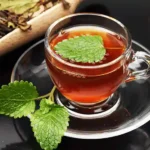

Tea has long been a comforting part of everyday life in homes across the world. Tea is one of the known as a gentle cup to ease a common cold, a soothing beverage to settle an upset stomach, or a simple treat to share between loved ones. It’s little wonder then that many parents begin to question whether they can share that comfort with their children. Can a child have tea, or are there just too many health risks involved?
It’s not quite as simple as that.
You will need to consider the age and health of your child, the amount they drink, and what type of tea they are drinking. Read on for everything you need to know about children and tea.
Is Tea Safe for Kids? The Short Answer
In general, kids can safely have tea- but not all tea is safe for kids. Herbal tea is naturally caffeine free and safe for children in small amounts (and or without added sugar). But tea made from the Camellia sinensis plant (black, green, white, and oolong tea) is loaded with caffeine and pediatric health experts recommend either limiting or avoiding it in children.
The question isn’t is tea safe, but which type of tea?
How much?
And at what age?
Once you’re aware of all of these factors, you’ll be ready to make an informed choice about whether or not to give tea to children, and how much.
Why Is Caffeine a Big Concern?
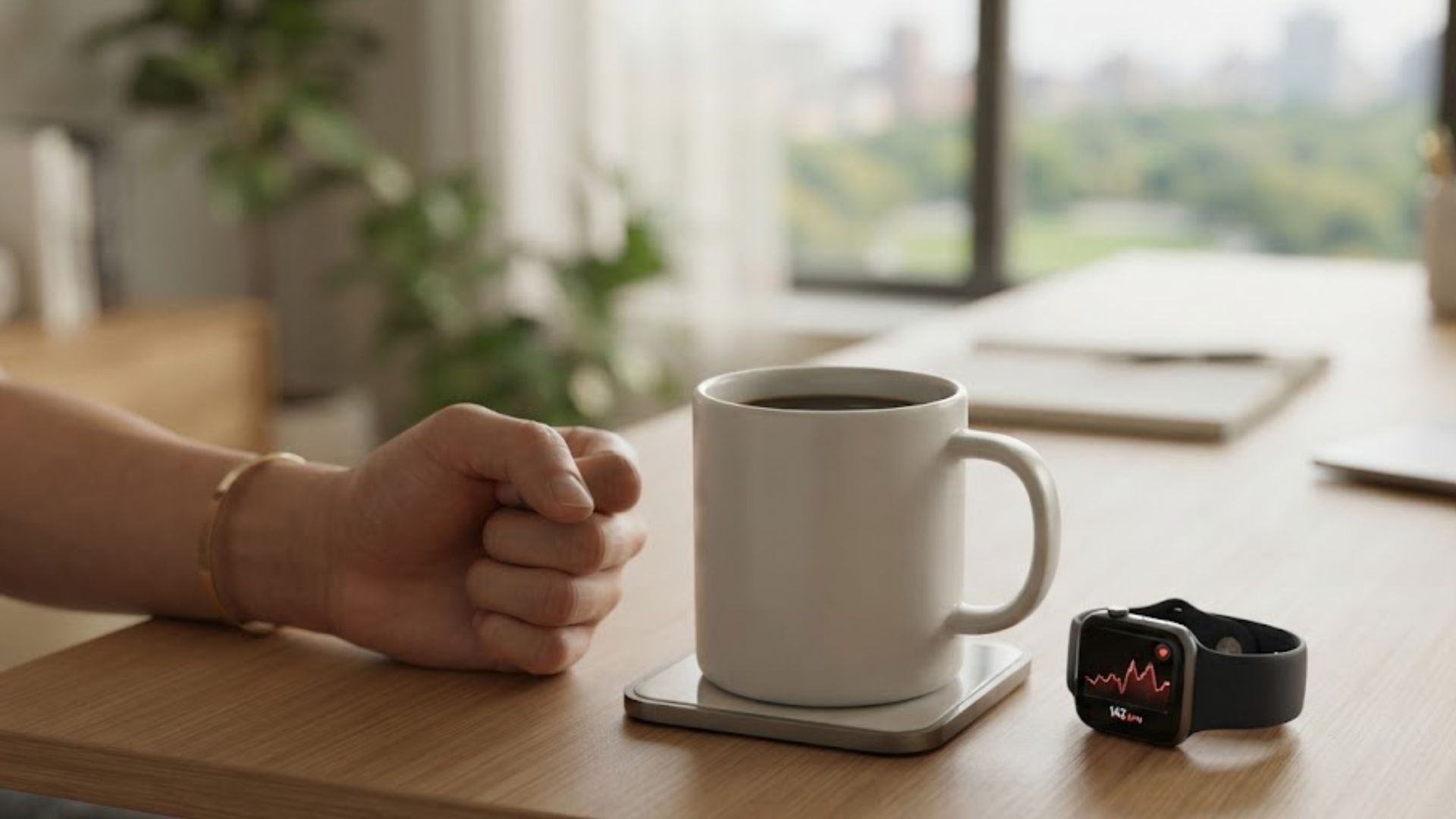
The caffeine content is the primary reason most parents are reluctant about allowing their children to drink tea, and with good cause. Even small doses of caffeine can have a pronounced effect on children due to their smaller body size (than adults). Possible reactions may include hyperactivity, trouble focusing, stomach upset, tachycardia, and—arguably most important for concerned parents-sleep trouble.
Pediatric health practitioners generally advise against caffeine use in very young children and recommend very limited use in older children.
An 8oz cup of black tea generally ranges between 40-70mg of caffeine, with green tea typically containing a few less. That’s another reason herbal teas without caffeine are most often given to very young children, and caffeinated teas should be reserved for older children-a very small amount at that.
From Which Age Kids Can Start Drinking Tea?
There isn’t a specific, universal age that kids are allowed to begin drinking tea, but standard pediatric advice usually says the following:
- Premature – Under age 2: Do not give any caffeinated tea. Very gentle caffeine free herbal teas (for example watered down chamomile) can be given in small doses however check with your doctor before giving to an infant under 12 months.
- Ages 2-6: Caffeine-free herbal teas are the safest option. Limit quantity, unsweetened.
- 6 years and over- Herbal tea is still the go-to herbal remedy. Coffee or weak diluted caffeinated tea may be given in moderation, but not every day.
- The occasional caffeine in tea for teens. A little caffeine from tea should be fine for teens all within dose limits.
- All children are unique. If your child has an existing health condition or is on medication, always seek advice from your child’s doctor.
Safe Tea Options for Kids
First of all the best one to go for is caffeine free herbal infusions for your children. As children’s drinks, there are some very good ones available such as:
- Chamomile tea – popular for its calming effects – used to relax children before bed.
- Peppermint tea – may relieve mild indigestion or an upset stomach.
- Rooibos tea- naturally decaffeinated, smooth, mildly sweet, a perfect ‘gateway’ tea for those with delicate taste buds.
- Ginger tea (weak) – good for nausea or upset stomachs, but should be made weak when given to children.
Teas to Limit or Avoid
Certainly certain teas are best avoided on children’s menus or only occasionally for the older children:
- All teas (black, green, white, oolong) contain caffeine and should be limited.
- Matcha – has a concentration of caffeine much higher than the average amounts in most brewed teas.
- Energy or “detox” teas – many have added stimulants or laxative herb(s) such as senna which should not be given to children.
- Sweetened, bottled and powdered tea-often sugar-sweetened and loaded with flavorings that provide no nutrition.
- When unsure, read the ingredient list. If a tea has anything other than pure herbs, fruits or spices, then there may be some additives, so do a little digging or leave it on the shelf.
The Benefits of Kid-Friendly Herbal Tea
Herbal tea provides many benefits more than just a wise choice as an un-caffeinated alternative to tea. When given in the correct manner herb tea has several practical positives for children:
- Hydration: a warm cup of herbal tea is an enjoyable way to increase fluid intake in children, especially in winter.
- Digestive support: ginger and peppermint teas are common remedies for relieving occasional stomach upset.
- A soothing night-time routine: Chamomile tea could be added to a nightly relaxing routine to help prepare you for sleep.
- A good substitute for soda or juice: unsweetened herbal tea contains very, if any sugar at all, unlike many of those kid-favorite drinks.
- The right guidance can instill a love for tea, so it becomes a pleasurable, healthy habit that can go on right through life.
Tips for Introducing Tea to Your Child
- Starting mildly and diluted. Shorter steeping time or add some warm water if you find the flavor too strong.
- Skip the sugar. Don’t depend on honey or sugar-so let the natural flavors of fruit, floral, etc. Speak for themselves.
- Serve it lukewarm, not hot. Children burn more easily, so allow the tea to cool, before giving them a drink.
- Note allergies. If using as with any new food or beverage, provide one new herbal ingredient at a time and watch out for reactions.
- Make it a ritual, not a substitute. Tea can be a soothing element of an evening or morning ritual, but should not be a substitute for water as your child’s primary beverage for hydration.
- Ask your pediatrician. This is good advice especially if your child has health problems or takes medication.
Choosing Safe, Kid-Friendly Tea Brands
Not every tea on the shelf is designed with children and families in mind, which is why it’s important to be mindful of ingredient transparency. Ideally, you’ll find organic, caffeine-free herbal teas that don’t contain any type of synthetic flavoring, coloring or stimulants. At Alexa Tea, our herbal offerings contain only a few, easy-to-pronounce ingredients, which parents and families can feel assured of the contents of every drink. Be it herbal blends that are designed for relaxation and easier sleep or naturally sweet and caffeine-free rooibos, choosing a trusted source to provide your family with tea makes tea time enjoyable.
Final Thoughts
Tea most definitely will be a healthful addition to your child’s routine- just make sure you’re being conscientious about it. And that most certainly is herbal, caffeine free formulas, which are the most soothing and nourishing for nearly any age bracket, and the ones to keep to the lighter, less stimulating, more natural formulations with higher doses of plants and less sugars, for older children. Find your child’s softer warm tea lover by exploring Alexa Tea’s caffeine free herbal versions-after all, who would be able to resist this little green teapot?
FAQs
Can babies drink tea?
No, most pediatricians will warn against tea consumption for babies under 12 months. Their digestive systems are still developing and water and milk should be the primary beverages in the initial stages.
Is chamomile tea safe for toddlers?
Yes-small, diluted doses of chamomile tea are usually okay for toddlers over 12 months of age. It has no caffeine content in it naturally; it is commonly used for relaxing purposes.
How much herbal tea can a child drink daily?
There isn’t any hard rule, but a small cup (4-6 oz) a day to begin with is a fair amount for most children. Never feed it undiluted and make sure there is no added sugar or sweeteners.
Does tea stunt a child’s growth?
This is a popular misconception that does not have any evidence in the scientific community. However, the issue with caffeinated teas in children revolves around interference with sleep and behavioral problems, not with the physical growth and bones.
What’s the best tea for a child’s upset stomach?
Muslim teas such as peppermint and ginger teas are often used to settle minor stomach upset. Weak and served lukewarm, one should always check with the doctor for required dosage.
Can tea help kids sleep better?
Chamomile tea caffeine free can also be included in your child’s relaxing bedtime routine. Its gentle, calming effects may soothe children to sleep, though not always.
Is rooibos tea safe for children?
Yes, rooibos is entirely caffeine-free and not too strong, so it’s a nice starting tea for children.
Should kids avoid green tea completely?
Not necessarily, but it does have caffeine in it so it should be limited. Probably ok for older kids to have small weak amounts now and then, but should be avoided for younger children in favour of herbal ones.