
In India, tea is not just a beverage; it’s an emotion of the Indian people. If you walk down any Indian street, you can familiarise yourself with the clinking of glass water of tea cups from morning to evening. It’s a refreshment booster from work and especially in the corporate sector, and even on your kitchen shelves.
The way that this generation, called Gen Z, consumes tea will soon transform in the year 2026. There will be many alterations to the Indian tea industry based on innovation in tea products, increased health awareness, and change in lifestyles. Despite the high temperatures in the country, tea can be found everywhere in India.
So, let’s go into this article and learn about tea consumption trends in India. What changes in 2026? Lifestyle, health awareness, and innovation in tea products. Here, we’ll take a close look at how a forward-thinking brand is leading the industry.
What is the size of the Indian tea market?
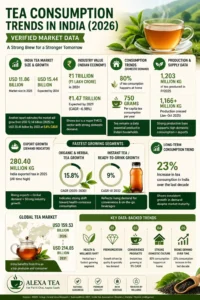
The tea industry of India is witnessing steady growth as the changes in consumer preference and demand for health focused beverages are also growing. As per IMARC Group, the Indian tea market was valued at USD 11.86 billion in 2025 and it is expected to reach USD 15.44 billion by 2034. It’s not about just one report; according to Grand View Research, the market will reach over USD 20 billion by 2033 with a CAGR of 7%. In the figure, you can see how the growth and demand are increasing:
What are the latest key tea consumption trends in India?
The biggest shift has been seen leading into 2026 is that Indians are no longer looking for taste, but are now they are looking for benefits after pandemic health issues. It’s not about leaves here; we are talking about blends that are specially made for:
- Boosting immunity because it is infused with Giloy, Ashwagandha, and turmeric
- Relaxation and sleep, which help urban Indians after high stress work.
- Digestion health is also a main part in which probiotic teas and ginger fennel fusions are replacing sugar sacks.
Consumers are moving toward:
- Green tea
- Herbal tea
- Ayurvedic blends
- Immunity teas
- Detox tea
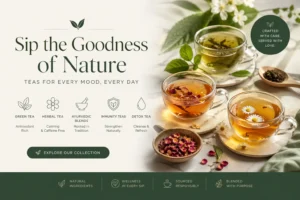
Even an industrial report shows a rise in wellness tea consumption among millennials and urban consumers.
Specialised and premiumization tea
In the market, the demand for on the go beverage is increasing rapidly, mainly in metro cities and if we talk about taste, Indians like Kadak (strong) masala chai. In 2026, consumers in urban cities prefer:
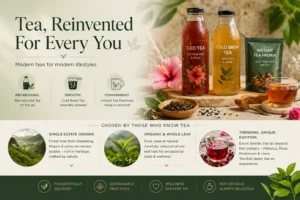
- Bottled iced tea
- Cold brew tea
- Instant tea premixes
The Indian middle class is willing to pay a premium for:
- When tea comes from a specific estate in Darjeeling in the Nilgiris.
- Organic Tea or whole leaf quality tea
- To follow trends when your tea tastes like wine by exotic pairings like Hibiscus, Rose and even mushroom infused tea.
Packaging preferences
Now, as consumer packaging plays a huge role when buying tea or any products from the market. In this trending format, include:
- Pyramid tea bags
- Eco-friendly packaging
- Single serve sachets
- Premium gift packs
Packaging is to attract customers in this modern world, but loose tea still dominates the market share, around 44%, but modern packaging is still growing.
Rise of tea cafes and online tea sales
Tea culture is rising, even in the market in 2026, there is a decline in the dominance of coffee chains as specialised tea cafes take over urban spaces. Now you don’t say that they are just tapris, now they are pleasing lounges where you can get a ‘Matcha Latte’ or a ‘Saffron infused Kahwa’ while working on your laptop. Even consumers now prefer:
- Buying tea from Amazon and Flipkart
- Subscription based tea services
- D2C brands
Digital Transformation
Everything has changed. Like you used to buy tea before, here now in the Direct to Customer model, you can pick up whatever is on the market shelf, or you can order online. Even now, brands are using AI to recommend blends based on your flavor or health needs.
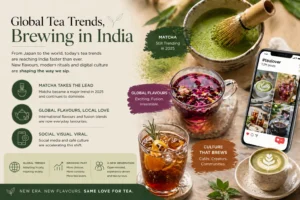
If we talk about global tea trends are entering India faster than ever, such as:
- Matcha became a major trend in 2025 and is still trending.
- International flavours and fusion are gaining popularity.
Social media and café culture are accelerating this shift.
Price fluctuations and supply challenges
The tea industry is also facing challenges like climate change that affect tea production, rising costs of cultivation and supply demand imbalance. Even the report shows:
- Tea consumption increased 23% in the last decade, putting pressure on supply and tis lead to;
- Price increases
- Demand for premium quality
Traditional roots in this modern world
In this modern era and advanced technology world is changing but India’s love for its roots remains. However, the format is changing; you can buy instant masala chai sachets from the market that actually taste like home-cooked chai, and are a hit with the travelling Indian and the busy student.
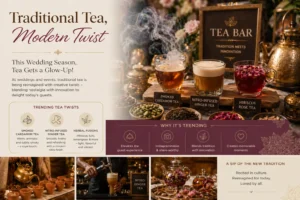
You don’t need to research; in this wedding season, you can visit any events and you see where traditional tea is served with modern twists-think smoked cardamom or nitro-infused ginger tea.
Final verdict: Looking for a cup?
In 2026, we have seen so much growth in the Indian market and the Indian tea industry is no longer a sleeping giant; it’s a dynamic, tech savvy and health forward powerhouse. Whether you are drinking cold brewed tea in Mumbai or at a mountain stall, one thing is clear: Tea in India is no longer just a drink; It’s an experience. These trends in 2026 prove that the world changes, but love for tea will grow deeper, so what are you brewing today? Ready for classic or try the functional blends of the future?
FAQs
Has the consumption of tea increased in India?
Through research, I have found that there is an increase in tea consumption in India, where there has been a 23% rise in consumption over the last ten years.
What quantity of tea is exported by India?
In 2025, India exported more than 280 million kg of tea, showing the high demand in the world market.
Why does RTD tea enjoy popularity?
This category of tea has gained popularity because it offers convenience and suits fast-paced living.
How much tea consumption occurs at homes in India?
About 80% of tea consumption occurs at home in India.