Tea is a part of our daily life. It can’t be objectively decided whether tea is good or bad for acid reflux; it is based on the type of tea we are consuming, the ingredients we are adding to it, and the sensitivity individuals have. For instance, lemon tea can trigger the burning sensation called heartburn, while ginger tea can soothe the stomach as it works effectively for an upset stomach.
What is acid reflux?
Acid reflux is when the acid in the stomach flows back into the oesophagus. It is the sensation of burning in the chest commonly referred to as heartburn.
Acid Reflux and GERD: Is There a Difference?
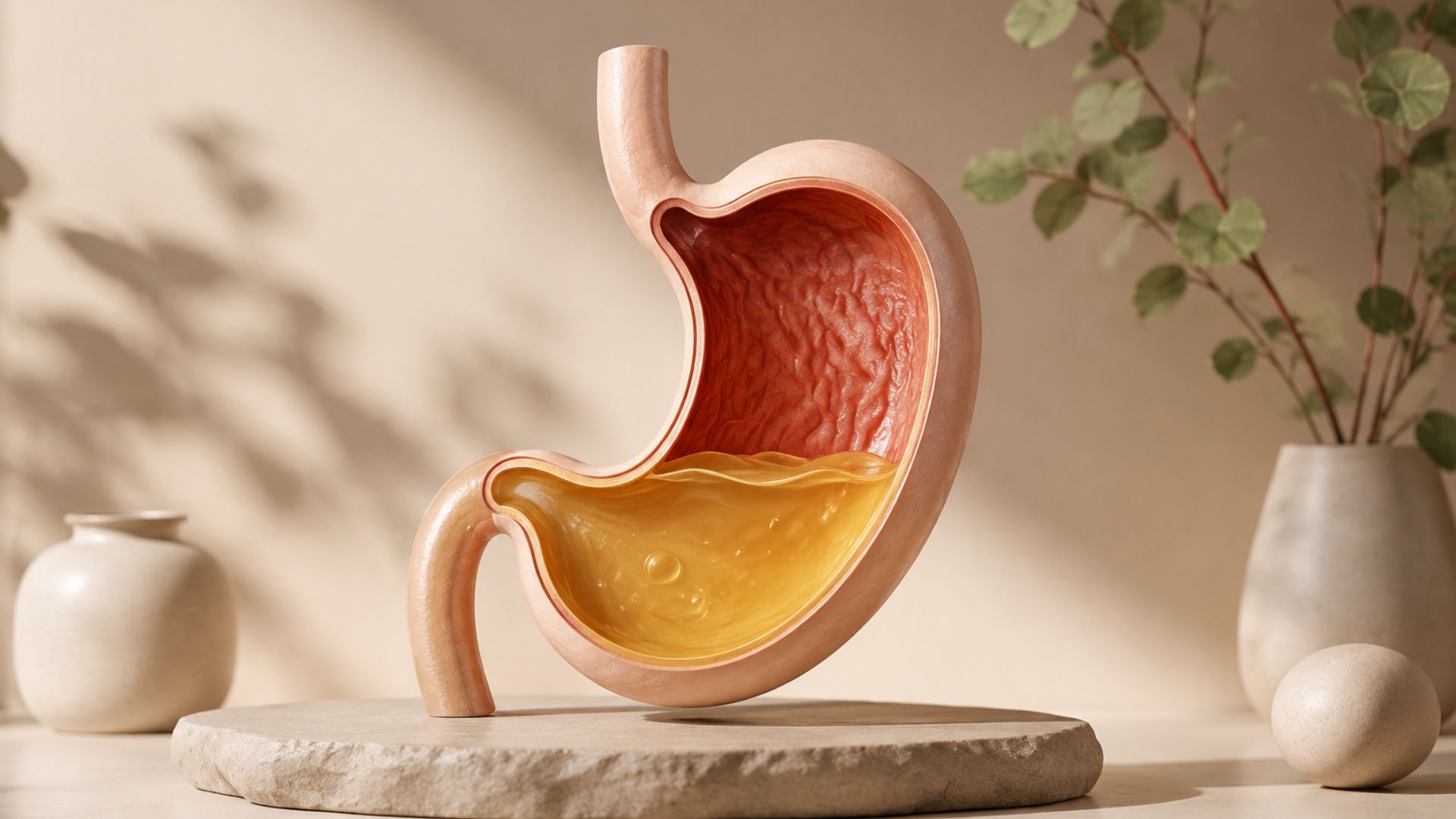
Gastroesophageal Reflux Disease (GERD) is a chronic digestive condition in which acid flows back into the esophagus repeatedly and inflames the lining of the esophagus. Acid reflux is usually experienced after a large meal. It occurs because of the mechanical malfunction involving the lower esophageal sphincter (LES).
Acid reflux by numbers
GERD affects 1 out of 5 people in the United States. Acid reflux and GERD are common. Source: Cleveland Clinic.
Does tea cause GERD?
According to the National Library of Medicine, there is no significant relationship between tea and GERD.
Acid reflux symptoms
- Heartburn
- Indigestion
- Bloating
- Backflow of food or vomiting
- Sore throat and cough
Is tea bad for acid reflux?
However, not all teas have the same acidic effect due to variation in their pH values. Tea is naturally slightly acidic, but the difference lies in how we consume it and the sensitivity we have.
How tea makes acid reflux worse :
- Consumption on an empty stomach
- Tannins’ presence in the tea
- Addition of sugar and milk to the tea
- Excess of black tea consumption
Worst tea for acid reflux
- Black Tea
Contains a high amount of caffeine and triggers acid reflux.
- Green Tea
Slightly lower in caffeine content, but it can still trigger LES in sensitive people.
- Oolong Tea
It is semi-fermented and has a moderate amount of caffeine.
- Matcha
It is made with a large amount of concentrated green tea powder and has a large amount of caffeine.
All of these should be avoided; they contain varying amounts of caffeine, which can trigger acid reflux. Instead of following the trends and choosing only based on taste, our tea choice should be guided by the health needs and the requirements of the body.
Tips to drink tea to avoid acid reflux
- Avoid caffeinated tea.
- Avoid drinking it on an empty stomach.
- Avoid lying down for 2 to 3 hours after drinking caffeinated tea.
- Avoid drinking in excess.
Is tea good for acid reflux?
Some herbal teas can relieve acid reflux by neutralising stomach acid, but it’s possible with the consumption of herbal teas like chamomile tea, ginger tea, marshmallow tea, etc. These decaffeinated drinks can help to avoid acid reflux.
Herbal tea helps to reduce inflammation and also encourages the stomach to empty faster. It prevents the muscle (oesophagus) from relaxing, which blocks the acid.
Best Tea for acid reflux
- Chamomile tea
Soothes the digestive tract and reduces inflammation.
- Ginger tea
Improves digestion, soothes the throat, and acts as an anti-inflammatory.
- Marshmallow tea
It protects the irritated tissues.
An article published by Mayo Clinic tells factor other than Tea that cause acid reflux.
- Obesity
- Pregnancy
- Overeating
- Smoking
- Alcohol consumption
- The stomach is empty for a longer period.
- Age
So, acid reflux doesn’t always need to be associated with tea drinking. Many factors can trigger acid reflux other than tea.
Common myths about tea and acid reflux
- his isn’t true because black tea can cause acid reflux because it contains a high amount of caffeine, but on the other hand, herbal tea contains no caffeine and can help to soothe the digestive system.
- Another one is “ Herbal teas are always safe.” Although herbal tea contain no caffeine, this does not mean that they are safe for everyone. Each individual has different sensitivities and allergies, so they should be chosen carefully.
Mechanism of acid reflux triggered by tea
When caffeine is consumed in excess, it relaxes the lower esophgeal, making it easier for the acid to travel upwards in the food pipe.
Too many caffeinated beverages trigger the stomach to produce more acid, increasing the chances of heartburn.
Sugar and Milk do not directly cause acid reflux, but large amounts of sugar and high-fat dairy products can slow digestion, which can increase pressure on the stomach and ultimately lead to acid reflux in individuals.
Should we completely stop drinking tea?
- The most common misconception is that “All tea is bad for acid reflux.” T
It depends.
If acid reflux is consistently triggered by tea, then switching to herbal tea can be a good option, as it helps to soothe the indigestion. Many people enjoy drinking tea in moderation by paying attention to the type of beverage that suits them.
Everyone’s digestive system is different, so it is important to decide the type of beverages that suit you.
Foods that trigger acid reflux
- Spicy food
- Onions
- Fried food
- Coffee
- Alcohol
- Citrus fruits
When should you see a doctor?
- Frequent heartburn
- Continuous chest pain
- Major weight loss
- Symptoms persisting even after lifestyle changes
Conclusion
Whether tea is good or bad for acid reflux is a never-ending debate, as its effects may vary from person to person. It’s neither completely bad nor completely good, as it depends upon the variety of tea, the contents of the tea, and the caffeine amount. Alexa Tea refers rather than eliminating tea from your life, it is better to choose a reflux-friendly tea and consume it in moderation for a better and healthier lifestyle.
FAQs
(Q) Can I drink tea every day?
(A) Sure. Tea can be drunk every day, based on your sensitivities, timing and amount of tea.
(Q) What is the best time to drink tea if I have acid reflux?
(A) The Best time to drink tea is between meals. If you have acid reflux, you should avoid drinking tea on an empty stomach.
(Q) Best drinks for acid reflux?
(A) Chamomile tea and ginger tea are the best options for people with acid reflux, as they can soothe the irritation.
(Q) Which tea should I avoid if I have acid reflux?
(A) Black tea, matcha, and strong green tea should be highly avoided if you have acid reflux, as they contain a large amount of caffeine and trigger acid reflux.
(Q) Does sugar in tea cause acid reflux?
(A) Sugar does not directly cause acid reflux, but excess sugar can cause weight gain and slower digestion, which increases reflux symptoms.
(Q) Does adding milk to tea cause acid reflux?
(A) High-fat milk may slow the digestion process, which can cause reflux symptoms, so it is better to go for low-fat milk to avoid these symptoms