

Tea is more than just a comfortable beverage anymore, as it is the result of a delicate balance between nature, climate, soil and skilled cultivation. But that balance is more and more under pressure now. How climate change is affecting tea gardens these days is becoming one of the biggest challenges that the global tea industry is facing. This is seen with rising temperatures, unpredictable rainfall, prolonged droughts, floods and increasing pest attacks. The way tea is grown and harvested is changing due to these factors which is seen across the leading tea producing regions.
If you’re a tea lover, then these environmental changes affect the flavour, aroma, availability along with the price of premium teas. And for tea growers, this is threatening their literal livelihoods, crop yields and long term sustainability.
At Alexa Tea, we believe that exceptional tea starts with healthy tea gardens. We continue to deliver premium teas by working with responsible growers and focusing on sustainable sourcing. All while, we support environmentally conscious cultivation practices.
Tea Industry at a Glance
- Tea cultivation covers more than 5.27 million hectares globally.
- Many farmers’ families rely on tea cultivation as their source of income.
- Studies have indicated that many tea cultivation areas considered very suitable will be reduced considerably in 2050 and 2070 due to future climate change.
- The Food and Agriculture Organization (FAO) claims that climate change poses a threat to tea production, quality and sustainability in the main tea producing nations.
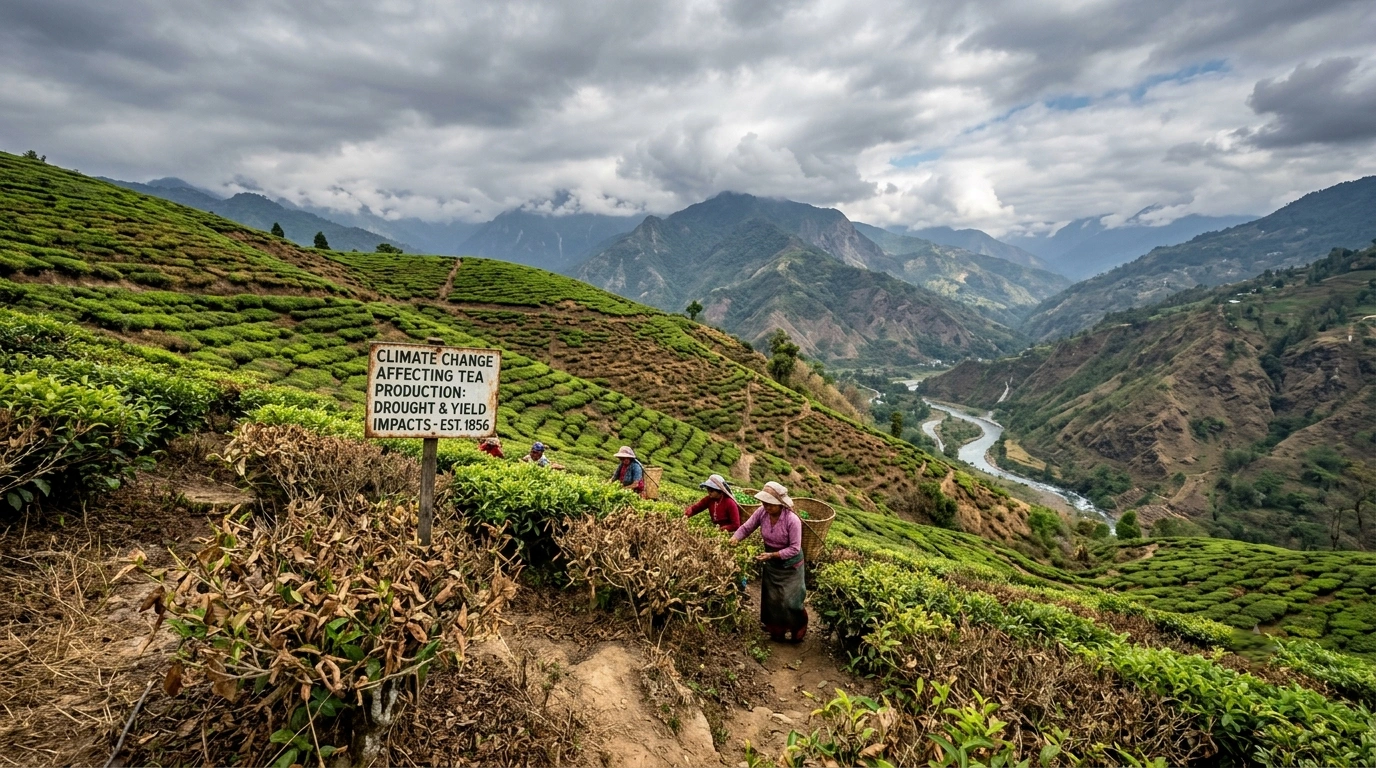
Why Tea Gardens Are Highly Sensitive to Climate Change
Tea plants need very specific environmental conditions to product high quality leaves. The perfect tea cultivation depends on:
- Stable temperatures
- Well distributed rainfall
- High humidity
- Rich soil health
- Seasonal growth cycles
- Shade and biodiversity
Even small climate shifts can affect your leaf development, chemical composition and harvesting schedules. This is why climate change is affecting tea gardens has now become a big concern for the tea producers worldwide.
How Climate Change Is Affecting Tea Gardens: An Overview
Rising Temperatures Are Reducing Tea Quality
One of the most evident impacts of the phenomenon is the increase in average temperatures due to climate change.
Tea crops can only thrive in specific temperatures. Too much heat will cause:
- Faster leaf development
- Flavor reduction
- Less antioxidants
- Poor aroma generation
- Yield reduction in extremely high temperatures
Premium teas very often develop their signature floral notes because leaves grow very slowly under cooler conditions. Higher temperatures mostly shorten this growing period which affects both the taste and quality.
Research also shows that rising temperatures contribute very directly to lower productivity across the many tea producing regions.
Unpredictable Rainfall Is Disrupting Harvest Seasons
Tea cultivation very heavily depends on the consistent rainfall:
Climate change is causing:
- Delayed monsoons
- Sudden heavy rainfall
- Extended dry periods
- Flooding
- Soil erosion
These changes can disrupt the harvesting calender and reduce the quality along with consistency.
Heavy rainfall can damage young shoots and drought can stress out the tea bushes. This reduces leaf production. Tea estates now experience many weather extremes in some regions within the same growing season.
For most of the consumers, this can lead to seasonal shortages:
- Seasonal shortages
- Higher tea prices
- Greater variation in flavour profiles
- Drought Stress Weakens Tea Plants
Longer drought periods can reduce the moisture that is available to tea bushes.
Water stress results in:
- Smaller leaves
- Lower harvest volumes
- Poor root development
- Increased plant mortality
- Declining long term productivity
Many tea estates are now investing in water conservation systems, rainwater harvesting, mulching and efficient irrigation which is reducing the impact.
The FAO recommends a water conservation technique who which is a key adaptation strategy for tea growing regions.
Climate Change Is Increasing Pest and Disease Outbreaks
Warmer weather can make some of the most perfect conditions for many insects and fungal diseases.
Tea growers are now reporting an increasing pressure which comes from:
- Tea mosquito bugs
- Red spider mites
- Leaf blight
- Fungal infections
- Scale insects
As the pests become more widespread, growers can face higher production costs. This is due to additional monitoring and crop protection measures.
Responsible tea producers very increasingly adopt integrated pest management, biological controls and sustainable farming techniques. This is to minimize chemical dependence while protecting the tea quality.
Soil Health Is Under Threat
The basis of high quality tea lies in the health of the soil.
Climate driven difficulties such as:
- Excessive precipitation
- Floods
- Erosion
- Leaching of nutrients
- Degradation of organic matter
- cause soil infertility in the long term.
Without the proper soil, tea bushes cannot obtain nutrients required for growing flavour filled leaves.
Today many tea plantations practice:
- Composting using organic materials
- Planting cover crops
- Using mulches
- Tree shade planting
- Minimizing soil disturbance
These practices assist in promoting biodiversity and productivity.
Tea Flavor Is Changing
The effect of climate change on tea gardens that is less known than others includes the evolution of flavor.
Tea flavor is influenced significantly by:
- Climate
- Weather
- Elevation
- Soil quality
- Seasons
Changes in climate affect the level of natural chemicals that provide flavour.
Some high quality teas might turn out to be:
- Less flowery
- More bitter
- Less aromatic
- More inconsistent from season to season
For high quality tea manufacturers, proper selection of ingredients has become more crucial than before.
Economic Challenges Facing Tea Growers
Climate change impacts not only agriculture but also the people involved in agriculture. The problems that tea planters are encountering due to climate change include:
- Water requirements for irrigation
- Controlling pests
- Labour requirements
- Soil rehabilitation
- Replacing affected plants
- Reduced production
Small scale tea farmers have very thin margins, which is why being resilient to climate change becomes very important.
Millions of people rely on sustainable tea cultivation according to the FAO.
How Sustainable Tea Farming Helps Combat Climate Change
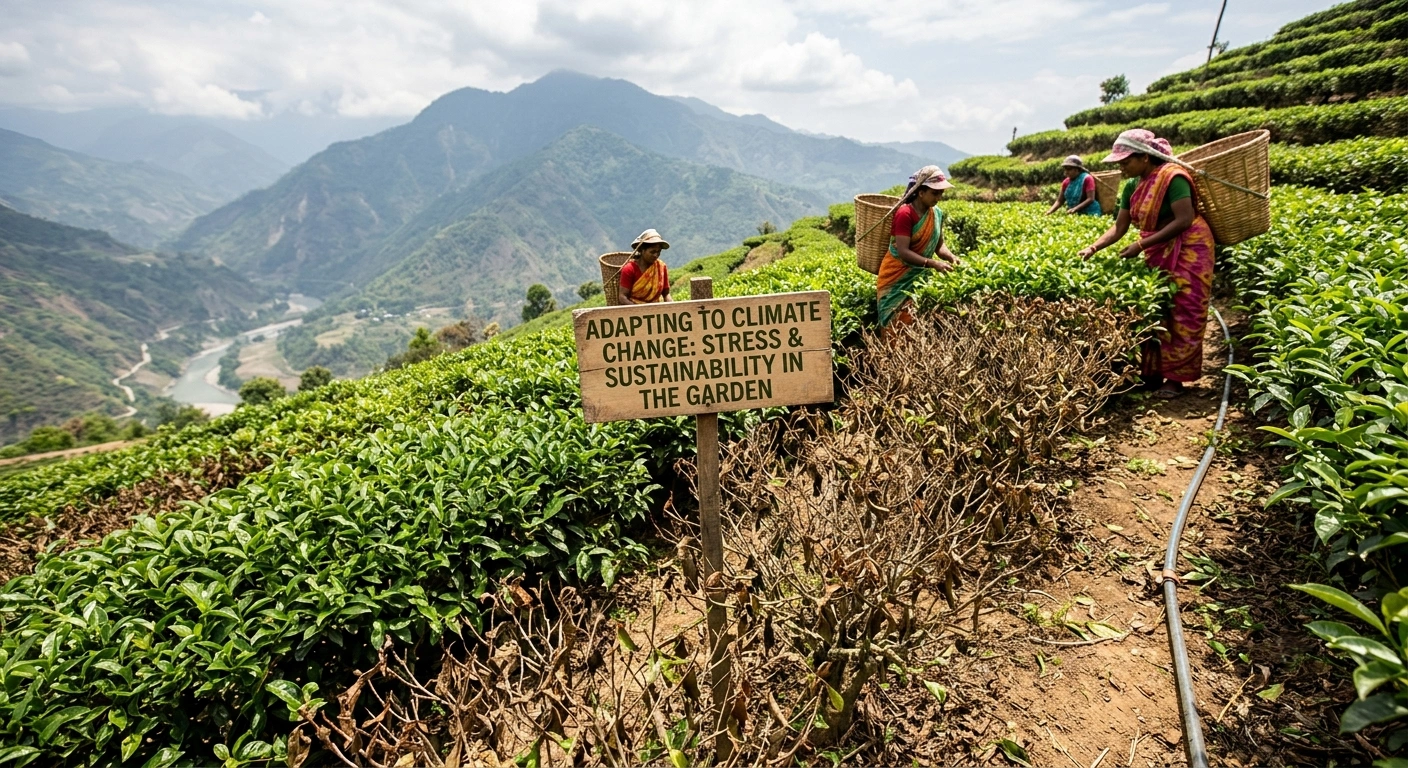
Many tea farmers around the world have started to implement climate smart agriculture fortunately.
They include:
Shade Grown Tea
Trees help cope with the heat while increasing biological diversity.
Rainwater Harvesting
This practice harvests rainwater for irrigation during the dry spells.
Soil Conservation
Organic material helps retain moisture while preventing soil erosion.
Climate Resilient Tea Varieties
Scientists keep developing varieties that can survive droughts and even high temperatures.
Biodiversity Protection
Healthy ecosystems prevent pests on their own.
These strategies increase the resilience of the system while keeping the tea quality unchanged.
How Alexa Tea Supports Sustainable Tea Sourcing
At Alexa Tea, sustainability is more than just a buzzword; it is an important aspect of our sourcing process.
We partner with responsible tea growers that follow:
- Responsible cultivation procedures
- Sustainable agricultural practices
- High quality harvests
- Environment conservation
- Ethical sourcing
- Premium grade tea production
Through the responsible sourcing of our teas, we aim at ensuring that every cup is of great quality and also securing the future of tea farming.
From premium grade loose leaf teas, unique tea blends, to your everyday favourite tea, Alexa Tea guarantees great quality and sustainability through our sourcing process.
Why Choosing Responsibly Sourced Tea Matters
Every purchase always supports decisions that are made throughout the supply chain.
Choosing responsibly sourced tea encourages:
- Sustainable farming
- Better environmental practices
- Healthier tea gardens
- Improved soil conservation
- Long term tea quality
- Support for farming communities
As the climate challenges continue to evolve, consumers are playing an important role by supporting the brands that value sustainability alongside quality.
Conclusion
How climate change is affecting tea gardens goes way beyond just agriculture. It affects the taste of each and every cup, as well as the existence of millions of farmers and one of the world’s greatest drinks.
Although increasing temperature, varying weather, pests, and soil degradation still pose problems, the answer lies in sustainable farming techniques.
We at Alexa Tea continue to maintain our passion for bringing quality teas from sustainable growers using environmentally friendly farming techniques. With our commitment to quality, sustainability, and ethical sourcing, you can always rely on us for bringing you quality teas and promoting sustainable development in tea gardens across the globe.
For all your needs for quality and sustainable tea, you can always count on Alexa Tea.
Frequently Asked Questions (FAQs)
-
How is climate change affecting tea gardens?
A – Climate change is causing a lot of rising temperatures, irregular rainfall, droughts, floods and increasing pest attacks. All of these reduce the tea yield, quality and long term sustainability.
-
Why does climate affect tea quality?
A – Tea plants are very highly sensitive to environmental conditions. So the temperature, rainfall, humidity and soil health very directly influence the flavour, aroma and antioxidant content of tea leaves.
-
Can sustainable farming reduce climate risks for tea gardens?
A – Yes sustainable practices can help reduce climate risks for tea gardens. This is the case with shade grown cultivation, rainwater harvesting, soil conservation, biodiversity protection and climate resilient tea varieties.
-
Does climate change make tea more expensive?
A – Yes, tea prices can increase worldwide with factors like reduced productivity, rising production costs, crop damage that is caused by weather factors and disrupted supply chains.
-
How does Alexa Tea facilitate sustainable tea production?
A – The company works with conscientious tea producers who practice sustainable, ethical tea cultivation and provide premium quality products.