
In India, Tea is not just a beverage; it’s a daily ritual, a moment of calm and a source of health and freshness. In the Indian market, there are lots of tea brand are there and you can say the market is flooded by mass-produced blends. People don’t know what they are consuming and unknowingly consume low-quality tea every day. Poor tea not just compromises taste but also affects your overall health and your tea-drinking process. It can be confusing which one is the best choice for you, so in this blog, we will explore the top 10 signs you are consuming low quality tea and what replacement you can find.
Tea should be revitalizing, fragrant, and comforting, but not harsh or artificial, yet poor-quality tea leaves can be over-processed, inadequately preserved, or blended with artificial flavoring to save on production costs. Drinking poor-quality tea can numb your senses and prevent proper appreciation and enjoyment of the classic drink, which is actually meant to be quite pleasing and delightful.
Why quality of tea matter?
Drinking tea is in itself an act of goodness; it’s more about well-being and regularity too. Best tea is carefully cultivated, processed in clean hygienic conditions with a good quantity of antioxidants present in the most natural way in those leaves to facilitate digestion and boost cognitive functions too. Now comes the question:
- Natural aroma and rich flavour
- Fresh, whole tea leaves
- Carefully selected from tea gardens
- Hygiene packaging
- Strict quality control
Here are 10 clear signs you may be consuming low-quality tea
Artificial Aroma
If your tea smells too strong and you feel a strong aroma like chemical based then it is a red flag because natural tea often uses synthetic flavouring to mask inferior leaves and release a gentle, earthy aroma, not aggressive at all.
Lots of dust instead of leaves
Premium tea usually contains whole or well-rolled leaves, which preserve flavour and nutrients. When you open a tea pack, if you notice powder or dust, then it means the product is produced by poor processing.
Bitter Taste
If your tea tastes unpleasantly bitter, even when brewed correctly, then that means it has low-grade leaves or excessive chemicals used in its processing because high-quality tea might be bold, but never harsh. Low-grade tea leaves contain excessive tannins that result in bitterness and irritation instead of a smooth finish.
Artificial color
A good cup of tea has natural colors. However, whenever tea becomes darker in seconds, it implies that the colors have been added to it or that the tea leaves are inferior and have been processed to make them appear more concentrated than before. Tea that is produced from natural ingredients has balanced colors.
Expansion of Leaves after Brewing
Why leaves matter:quality tea leaves will open up or expand when steeped, thus releasing their natural flavor, whereas discussing low-quality leaves is lifeless or dies prematurely, which may imply old stock.
Dull Leaves or grey in colour
If your tea leaves look dull, faded, or greyish, then it may be old, over processed, or poorly stored because fresh leaves have a natural, vibrant appearance and dull leaves significantly reduce the quality of tea.
Causes discomfort
Tea is very famous for its relaxing abilities. But if some acidity, bloating, or irritation is being experienced in the body or the throat area, then this indicates that this is not very high-quality tea. This happens mostly due to the use of low-quality leaves or some artificial ingredients.
Aftertaste and freshness
Consuming high quality tea leaves means a pleasant aftertaste, refreshing, and comforting, but if the flavour disappears instantly or have rough sensation, then the tea lacks depth and quality.
Different taste in every cup
If your tea tastes different every time you brew it, even using the same method, then it means it is processed with low quality and inconsistent sourcing because premium tea taste remain same even when you brew it again and again.
Unusual feels
If you feel uneasy after drinking tea, it may contain low-grade leaves or unwanted residues that compromise quality because tea should energise you and provide refreshment instead of a sluggish flavour.
Wrapping Up!
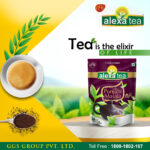
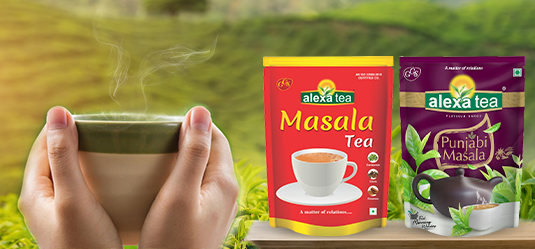
Maybe it is high time to consider a change in the daily cup of tea that you are taking, in case it displays some of the symptoms discussed earlier. There simply are not enough hours in the day to contain bad cups of tea. The right way to go about this is to opt for a trusted brand like Alexa Tea.
FAQs
What if my tea changes color quickly?
If your tea changes colour quickly, then it means it contains artificial colouring or heavily processed leaves because natural tea develops colour gradually during brewing.
How can you identify the good-quality tea?
Good quality tea has whole or well-rolled leaves and fresh aroma, natural colour, and pleasant aftertaste, while brewing the leaves expand properly.
If my tea tastes different every day, what does it mean?
Changing taste every day indicates poor blending or irregular sourcing so always choose trusted brands to ensure the same taste in every cup
Is switching tea brands to improve my tea experience good?
Yes, if you have any doubt that tea is not good enough, you can choose a premium and trusted tea brand, which can enhance taste, aroma, digestion, and overall satisfaction from your daily cup of tea.
Does low-quality tea affect my health?
In fact, low-quality tea consumption may lead to acidity, throat irritations, or even digestive problems, while artificial additives may work against the health benefits of drinking tea.